Local detail
What the Weather Here Does to It
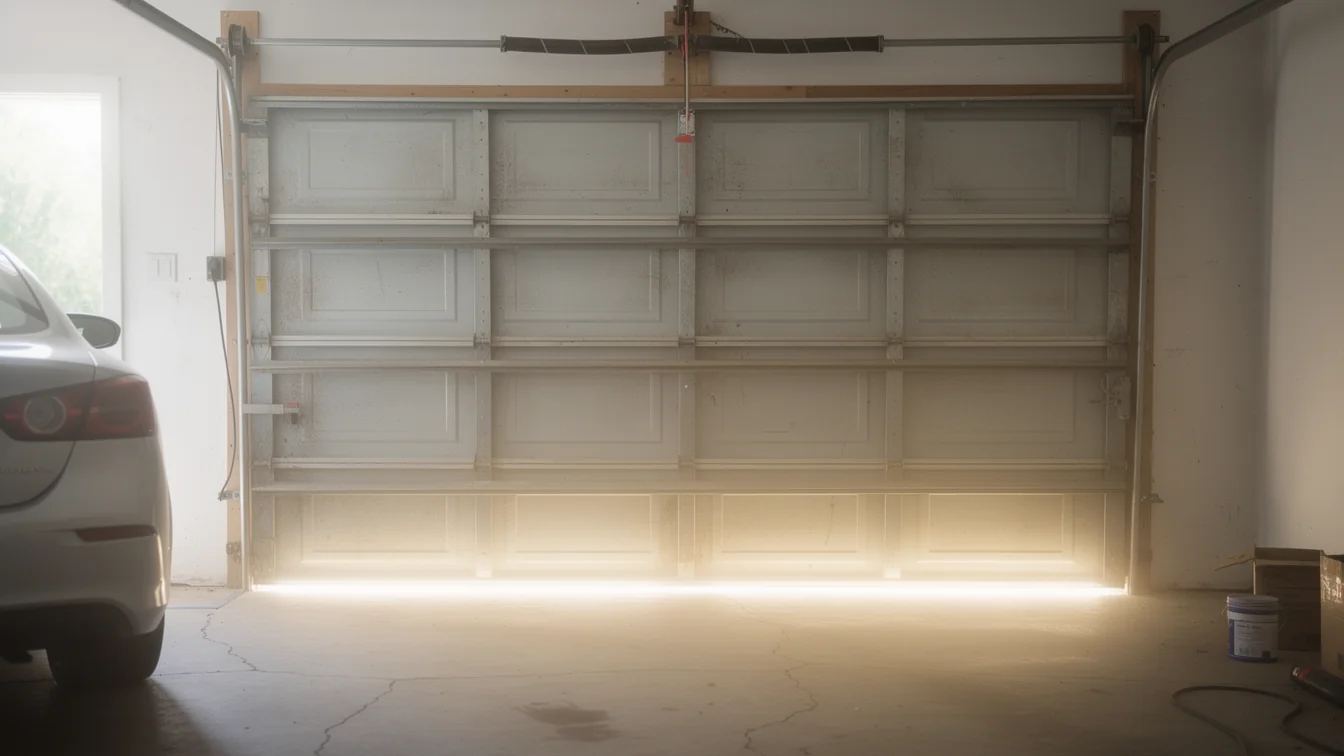
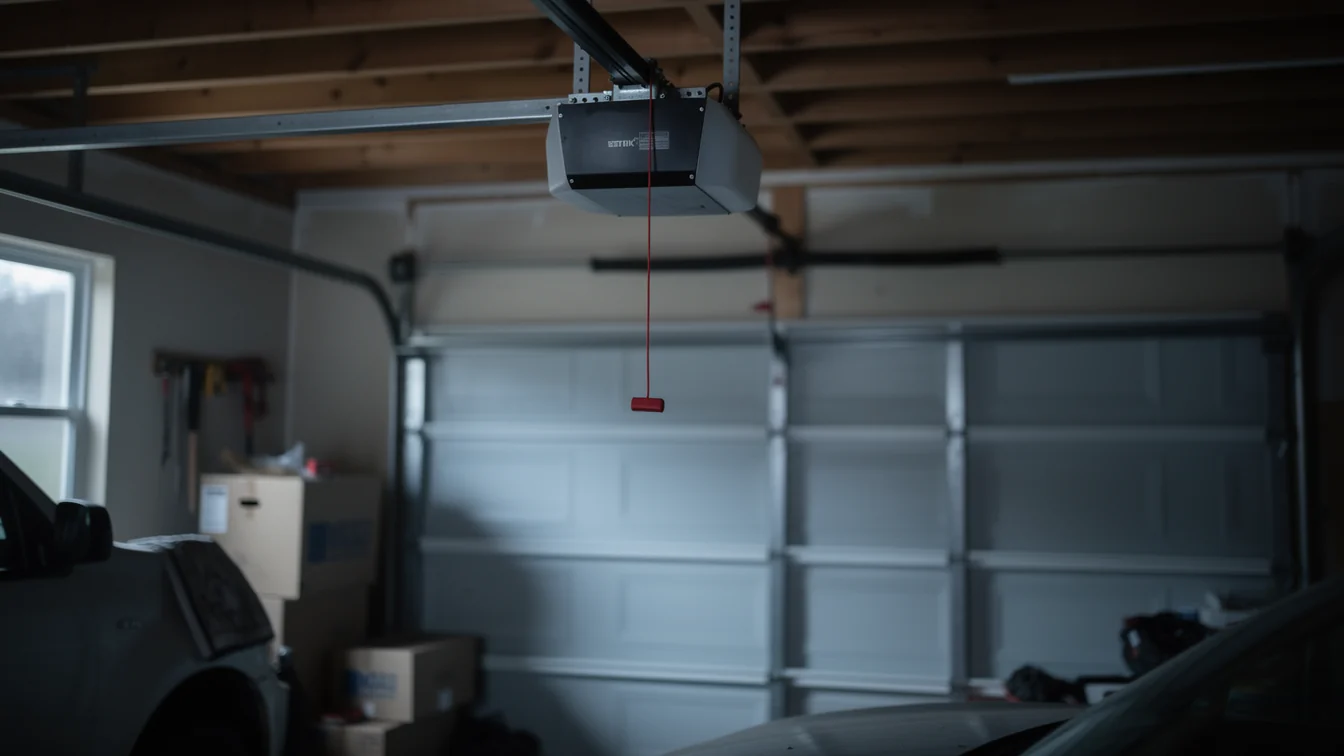
Buda sits in a moderate heat climate band, and that matters more to a garage door than most homeowners think. A west-facing door takes direct sun for hours most of the year, and that heat does two things: it dries out the rubber weatherstrip along the bottom and sides until it cracks and lets light and dust through, and it breaks down the grease on the torsion spring and rollers faster than a shaded north-facing door ever sees. Plastic gears inside a chain-drive opener are also heat-sensitive - the kind that were standard equipment in the 1980s and 90s, which is exactly when most of the housing stock in this area went up. Heat-softened gears wear teeth down quicker, and that shows up as a grinding sound before the opener finally strips out. Photo-eye sensors mounted low near the floor can also drift out of alignment as the slab and door frame expand and contract through the heat. None of this is dramatic failure - it's slow wear that adds up. A door that's fine in April can bind or hesitate by August once the heat's been working on dried-out seals and thinned grease all summer.
The area
What Is Going On
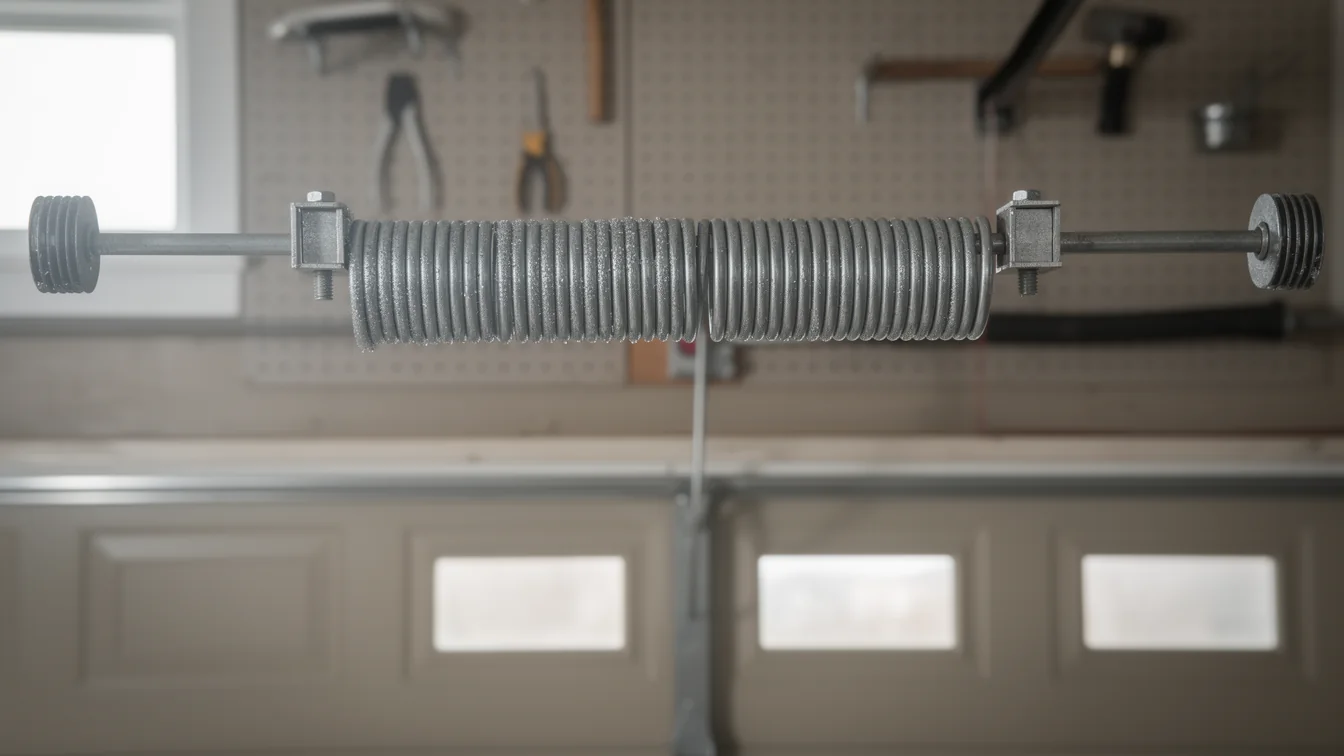
Across the roughly 25,093 households in this service area, with about 13,733 of those being owner-occupied houses, the housing stock runs mostly 1980s and 90s construction, with a median build year around 1993. That means a lot of original torsion springs, original steel doors, and first-generation chain-drive openers are still in service, now past the point where parts wear out rather than just age. Springs are rated by cycle count, not years, so a 30-year-old spring on a door used twice a day has likely already used up its rated life even if it looks fine. Tracks on these older installs are often the narrower gauge common to that era, which flexes more under a heavy insulated door than current stock does. Across the 20 or so named communities we cover - from Manchaca and Shady Hollow in close to Dripping Springs and Wimberley further out - the pattern repeats: original hardware, original openers, and homeowners who've never had a reason to think about any of it until something stops moving.
What we find
What You Pay
We don't have a posted price list to put here, and giving you a number without seeing the door would be a guess dressed up as a fact. What drives cost on a job is usually simple: whether it's a spring replacement or a full opener swap, whether the track needs replacing along with the rollers, and whether the door itself is original steel from the 90s or something installed more recently. Given that median household income in this area runs $109,630, most of what we see is a homeowner choosing a proper repair over a patch job, which costs more up front and less over five years. One honest limitation: if your door and opener are both original to a house built in the early 1990s, sometimes replacing both at once costs less than repairing each separately over two visits, and we'll tell you that straight instead of billing two jobs.
How we work
When to Get Help
Call before the door fails all the way, not after. If you hear new grinding from the opener, see the bottom weatherstrip curling away from the slab, or notice the door hesitating partway up, that's heat-driven wear doing its work on original 1980s-2014-era hardware, and it gets worse, not better, on its own. A spring that's visibly stretched or has a gap in one coil is not a wait-and-see item - it's one cycle away from snapping, and a torsion spring under tension can do real damage on the way out. If your opener is the original chain-drive unit from when the house was built, and it's started cycling slowly or stalling on the way up, that's usually the heat-softened gear problem, not a one-time glitch. We work the Buda area out to about 15-20 miles, covering communities like Manchaca, Shady Hollow, Creedmoor, and out toward Dripping Springs and Lockhart.
Talk to a local pro
Garage door trouble in Buda?
Same-day service with honest, upfront quotes.