Local detail
What the Weather Here Does to It
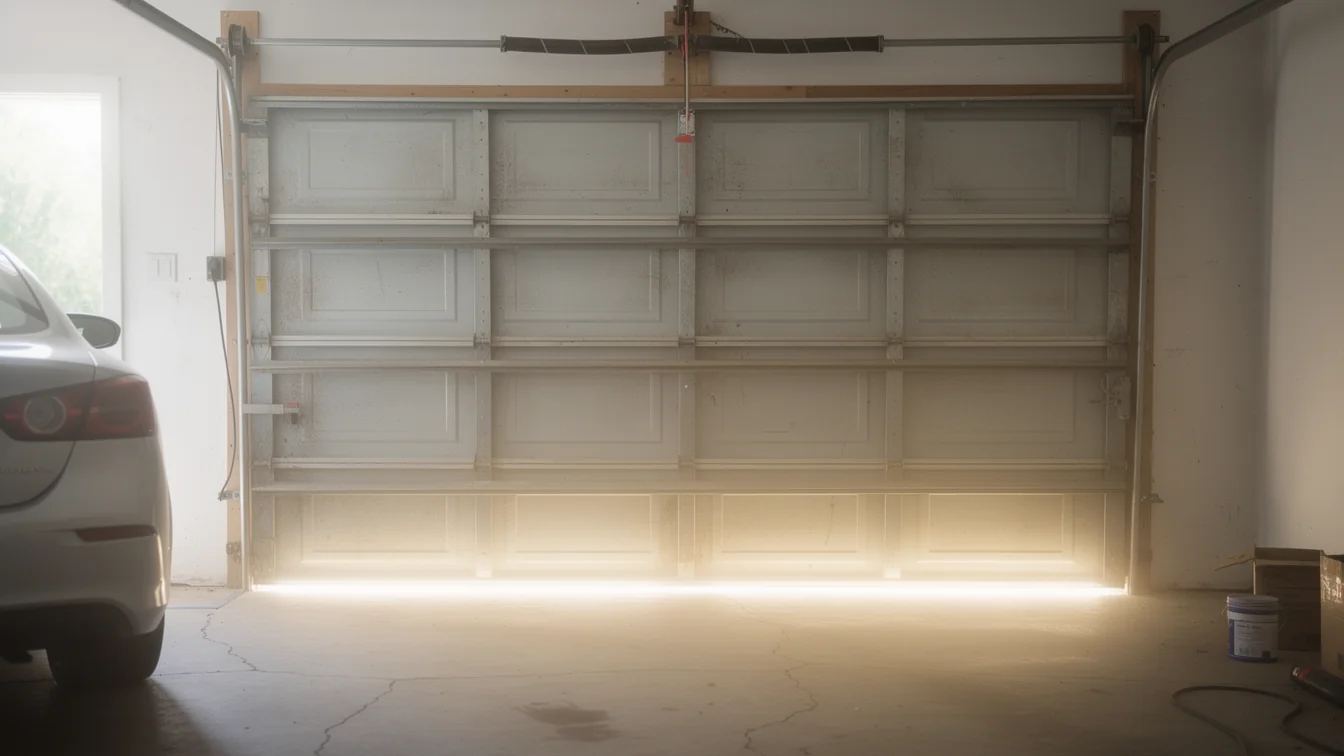
Buda sits in a moderate heat band, not the kind of punishing summer swing that cracks hardware outright, but steady enough to matter over 20 to 40 years. Steel track and spring coil expand a little on a 100-degree afternoon and contract back overnight, year after year. On a door that's been doing this since the 1980s or 90s, that cycle loosens the hex bolts holding your track brackets to the jamb and dries out factory lubricant on rollers and hinges faster than people expect. It's not dramatic. It's slow. A door that opened dead quiet in 1995 picks up a squeak by 2010 and a grind by 2020, and most owners just live with it because nothing's actually broken yet. The heat doesn't snap springs the way a hard freeze would elsewhere - it just wears the coating and the lubrication down a little faster than a mild climate would. That's the whole story with Buda weather and garage doors: not storms, just steady thermal cycling on hardware that's been sitting in it for two or three decades.
The area
What Is Going On
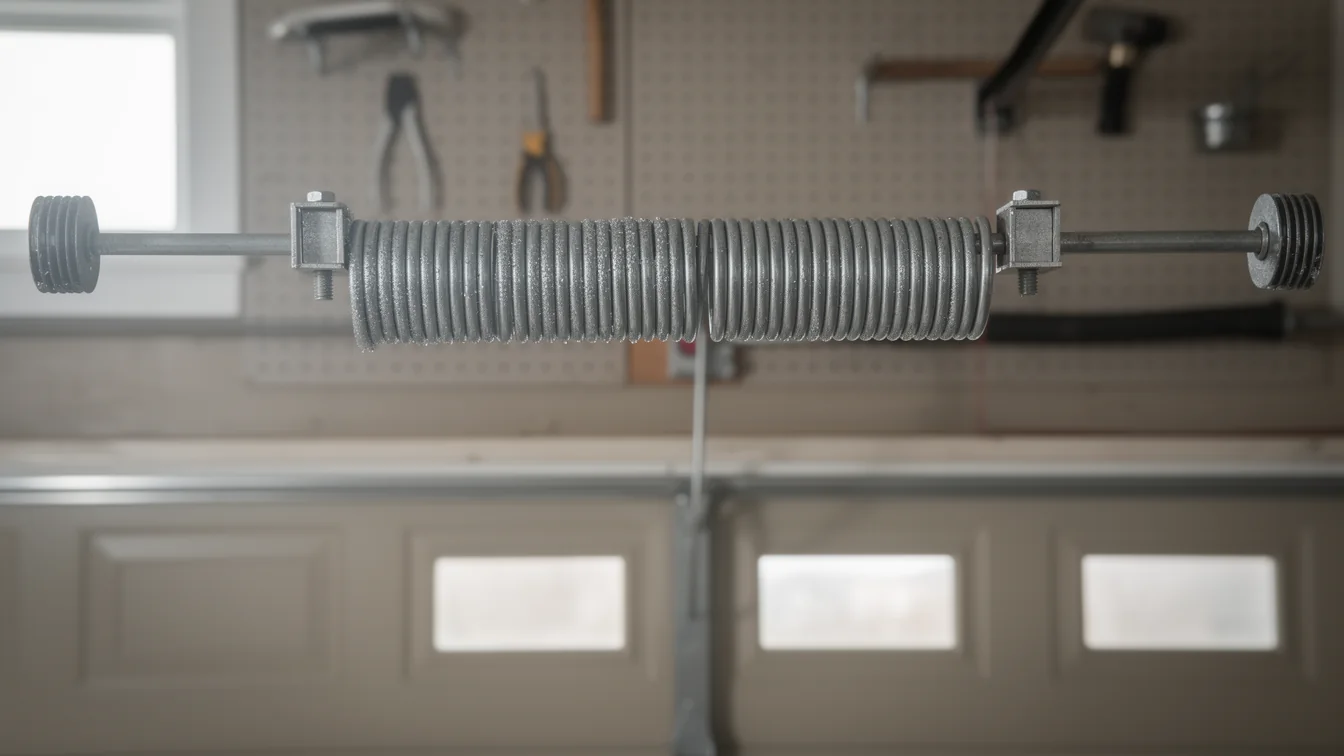
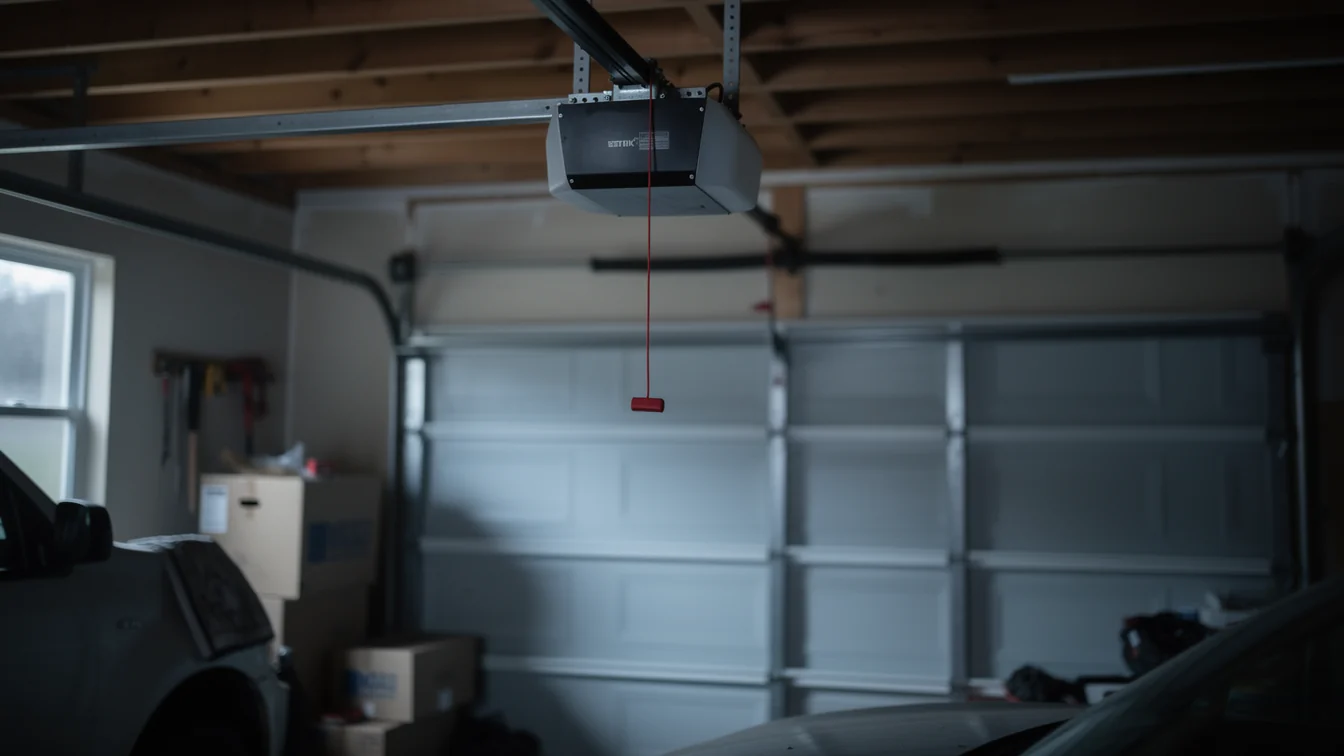
With most Buda housing built between 1980 and 2014, and a lot of it clustered in that 1980s-90s stretch, the noise you're hearing usually traces to one of a short list of things. A rhythmic thump as the door travels is almost always a flat spot on a roller that's original to a 90s-era door and never been swapped. A sharp bang on opening is a torsion spring losing tension - common once a door's spring has been cycling for 20-plus years. A metallic rattle along the track is loose carriage bolts on brackets that were torqued once at install and never checked again. None of these mean the opener is dying; the noise is almost always mechanical, not electrical. On a house built in the 1993 median year for this area, the door hardware is old enough that galvanized coatings have thinned and grease has gone gummy or gone entirely. That's a maintenance gap, not a design flaw, and it's exactly what you'd expect from housing stock this age.
What we find
What You Pay
We don't have a flat number to quote here - cost depends on whether it's a $20 roller swap or a full spring replacement, and we're not going to make up a figure to fill space. What we can say is that for a household at the area's median income of roughly $109,630, a lubrication and hardware tightening visit is a small, planned expense next to an emergency call after a spring lets go at 7am with the door stuck down. Across the roughly 13,733 owner-occupied houses in this service area, the pattern we see is the same: people wait until the noise becomes a failure, then pay for a same-day fix instead of a scheduled one. That's the real cost difference - not the parts, the timing.
How we work
When to Get Help
Call before the door stops working, not after. A grinding roller or a loosening bracket is a 20-minute fix today and a stuck door tomorrow. If your door is original to a house built in the 1980s or 90s - which is a lot of Buda stock - and you've never had the hardware checked, that's reason enough on its own. One honest limit: if a spring has already snapped, don't try to diagnose or loosen anything yourself: a torsion spring under tension is dangerous, and we'd rather get a call than have you get hurt saving us a visit. And if a door's track, spring, and opener are all original and all 25-plus years old, sometimes replacement is the better math than another round of repairs - we'll tell you that straight if that's where you are.
Talk to a local pro
Garage door trouble in Buda?
Same-day service with honest, upfront quotes.